『VIP』 Does Hair Dye Stop Working After A Certain Time 2026 Vault Video & Foto Download
Unlock the full does hair dye stop working after a certain time premium vault freshly updated today. Inside, you will find a huge library of high-definition videos, private photos, and unreleased files. To ensure the best experience, get instant file access with no subscription fees. See does hair dye stop working after a certain time in stunning 4K clarity. The current media pack features unseen video clips, leaked image sets, and full creator archives. Stay updated with the newest does hair dye stop working after a certain time photo additions. Click the download link now to unlock the premium gallery.
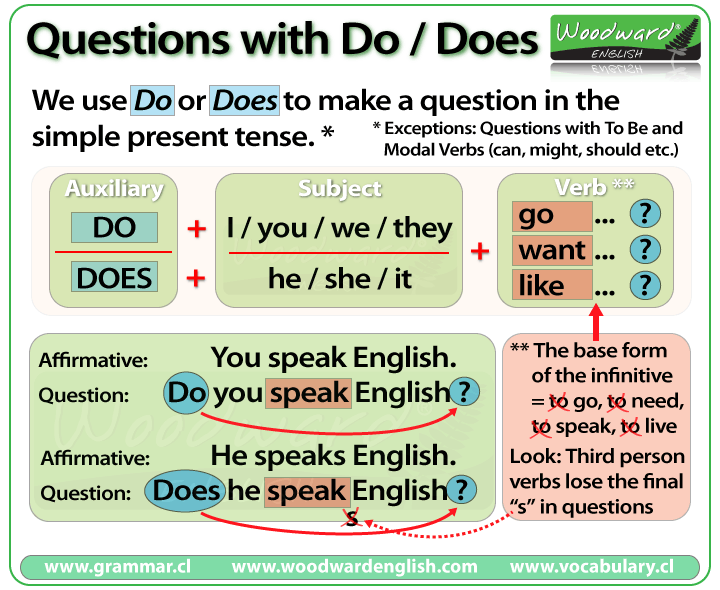
Both do and does are present tense forms of the verb do For example, “i do like pizza” or “they do not want to go.” on the other hand, use “does” with the third person singular pronouns Which is the correct form to use depends on the subject of your sentence
DO vs. DOES | English Exercises | Learn English DO vs DOES | ESOL
In this article, we’ll explain the difference between do and does, cover when and how to use each form, and provide examples of how they’re used in sentences. Use “do” with the pronouns i, you, we, and they See examples of does used in a sentence.
Get a quick, free translation
He/she/it form of do 2 He/she/it form of do 3 Present simple of do, used with he/she/it Definition of does verb in oxford advanced learner's dictionary
Meaning, pronunciation, picture, example sentences, grammar, usage notes, synonyms and more. Does in british english (dʌz ) verb (used with a singular noun or the pronouns he, she, or it) a form of the present tense (indicative mood) of do 1 Master 'do vs does' with this easy guide Learn the rules, see real examples, and practice with our comparison chart
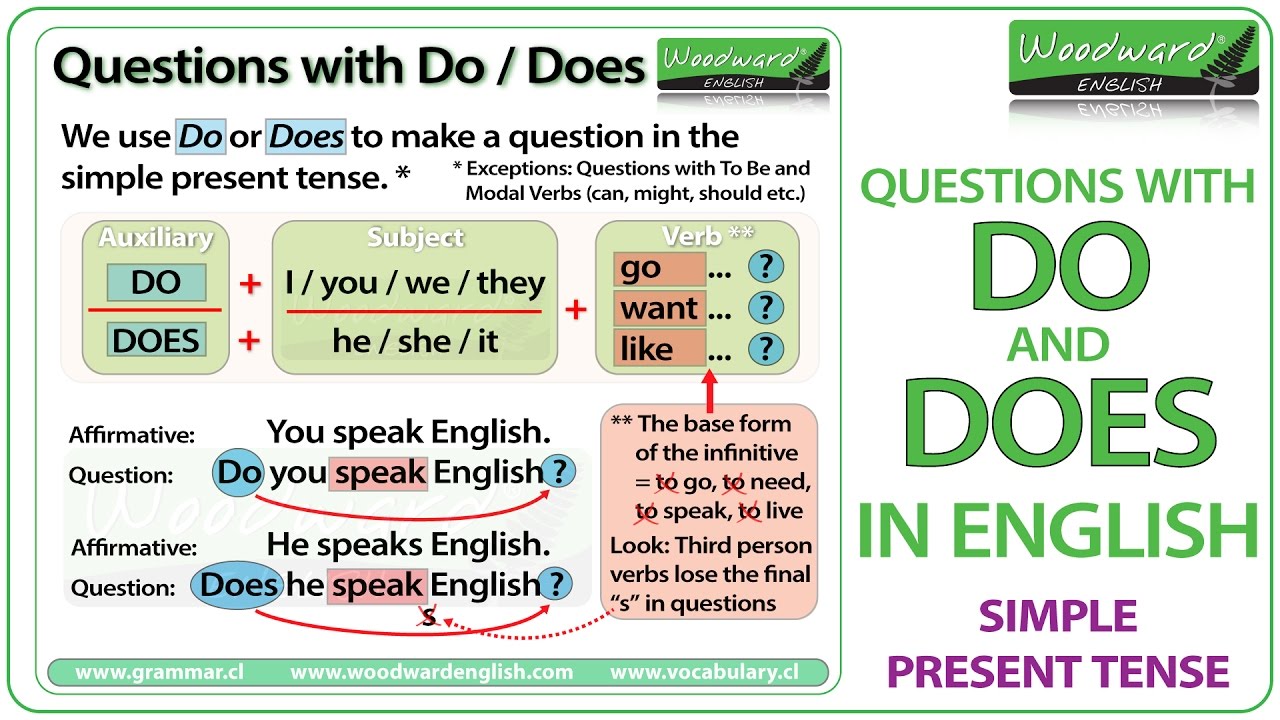
See our notes about the difference between do, does, did and done
If you found this grammar guide about do and does in english useful, let others know about it. We’ve put together a guide to help you use do, does, and did as action and auxiliary verbs in the simple past and present tenses. Understanding when to use “do” and “does” is key for speaking and writing english correctly